Geopolitical Energy Shocks Push Markets Toward Tipping Point
Pre-Market Daily Brief: Geopolitical Energy Shocks Push Markets Toward a Tipping Point
Good morning, active traders. As we head into Thursday's session, global markets are grappling with escalating geopolitical tensions in the energy sector, fueling inflation fears and capping any near-term rebound potential. The S&P 500 is on pace for its fourth straight weekly decline, hovering near a critical resistance level around 5,200 after dipping below 5,300 this week—analysts at Piper Sandler are calling it an "inflection point" where three "toxic" forces (soaring oil prices, sticky inflation, and a hawkish Federal Reserve) could trigger deeper pullbacks if breached. Futures are pointing to a soft open, with Dow Jones contracts down 0.3%, Nasdaq futures off 0.4%, and energy stocks mixed amid volatility. Brent crude is trading above $85 per barrel, up over 5% in the past week on supply risks, while gold—once the darling of safe-haven bets—has cooled to around $2,450 an ounce as rate-cut hopes fade. Overall sentiment: Cautiously bearish, with energy disruptions dominating headlines and pressuring consumer stocks, tech, and broader indices. Let's break down the most impactful developments.
Iran’s "Rope-a-Dope" Strategy Ignites Oil Market Fears
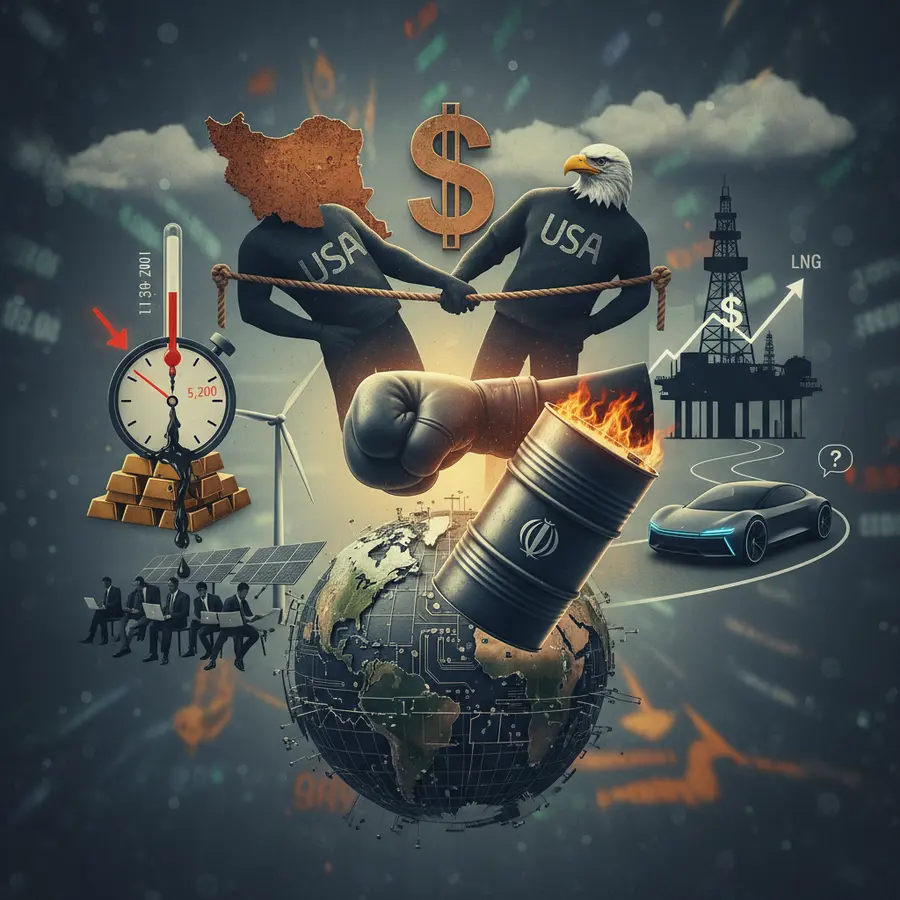
Top economist Steve Hanke of Johns Hopkins University is drawing parallels between Iran's economic resilience and Muhammad Ali's legendary 1974 "rope-a-dope" tactics against George Foreman—absorbing US pressure while wearing down the opponent through attrition. In a fresh analysis, Hanke warns that Iran could deliver a "knockout blow" to the US by leveraging economic warfare, including threats to the Strait of Hormuz (through which 20% of global oil flows). With US sanctions biting but Iranian oil exports holding steady at around 1.5 million barrels per day via shadowy channels to China, Tehran is betting on outlasting Washington amid broader Middle East volatility.
This rhetoric is amplifying oil's rally: West Texas Intermediate (WTI) crude settled at $81.50 yesterday, up 3%, and analysts now see $90+ Brent by summer if tensions escalate. From an investor lens, this spells trouble for inflation-sensitive sectors—expect headwinds for airlines (e.g., Delta and United down 2-3% pre-market), autos, and chemicals. Energy giants like ExxonMobil and Chevron could see short-term pops (XOM +1.2% in after-hours), but prolonged disruptions risk a broader stagflation narrative, delaying Fed rate cuts beyond June. Traders: Watch EIA inventory data later today; a drawdown could push oil toward $85 WTI intraday.
IEA Urges Fuel Conservation as Oil Soars; Qatar LNG Outage Adds Pressure
Compounding the Iran wildcard, the International Energy Agency (IEA) issued urgent guidance yesterday, recommending governments, businesses, and households implement 10 immediate measures to curb fuel demand—including widespread work-from-home policies to slash commuting. With oil prices surging 15% month-to-date on supply fears, the IEA warns of potential shortages if consumption isn't reined in, echoing 2022's post-Ukraine playbook.
Meanwhile, Qatar's announcement of a multi-year outage at its North Field LNG facility—two liquefaction trains potentially offline for up to five years due to expansion delays—is tightening global supplies at the worst possible time. As the world's top LNG exporter (77 million tons annually), Qatar's hiccup could spike spot prices to $15-20 per million BTU, per Bloomberg estimates, hitting Asian buyers hardest (Japan, South Korea, and India, which import 40% of their gas from the region). US LNG exporters like Cheniere Energy might benefit from rerouted demand, but Europe's energy crisis could deepen, boosting nat gas futures (now +2.5% to $3.20/MMBtu).
Stock Market at a "Tipping Point": Piper Sandler Flags Resistance Break Risks
Wall Street's technical watchers at Piper Sandler are sounding alarms: The S&P 500's slide is testing a pivotal 5,100-5,200 band, where a breakdown could unleash 5-10% further downside. Blame the trifecta—oil's surge stoking 3.5%+ CPI fears (tomorrow's data could surprise higher), persistent inflation curbing Fed doves, and seasonal weakness. Equities have shed $2 trillion in market cap this month, with mega-caps like Nvidia (-6% weekly) leading the retreat.
Gold's reversal underscores the shift: The metal hit $2,700 peaks in February on debasement trades but has dropped 8% since as 10-year Treasury yields climb to 4.4%, pricing out aggressive cuts. Safe-haven flows are now favoring the dollar (DXY +1.2%), pressuring EM assets and exporters.
Tech and Auto Sector Updates: Tesla Wobbles, Autonomous Vehicles Heat Up
In autos/EVs, UBS slashed its Tesla Q1 delivery forecast to 420,000 units (from 460,000), citing softening demand and execution risks in robotaxis—Elon Musk's "wow factor" pitch may not sustainably differentiate amid competition. TSLA shares are flat pre-market but down 15% YTD; watch for Q1 earnings in April.
Contrasting Uber's 2018 pivot away from driverless tech (now regretting it as Waymo and Cruise scale), Hyundai's Motional is accelerating with an Uber partnership for cheaper robotaxi deployments. CEO Laura Major highlighted cost reductions to $0.50-1.00 per mile, targeting 2026 commercial rollout in Vegas and LA. This could pressure UBER (+0.5%) positively while underscoring Tesla's robotaxi event in August as a make-or-break for valuation.
AI sentiment from Anthropic's Claude survey reveals user anxieties—81,000 respondents cited job displacement fears and ethical dilemmas—but optimism around productivity gains persists. Tech-heavy Nasdaq faces rotation risks, but long-term, autonomous and AI infra (e.g., NVDA semis) remain bright spots.
Trading Outlook and Key Levels
Pre-market tone: Risk-off, with energy volatility as the alpha driver. Global cues are muted—Nikkei -0.8%, FTSE +0.2% on sterling strength. US session catalysts: Jobless claims at 8:30 AM ET, Fed's Powell speech at 10 AM (watch for oil/inflation comments). Position sizing: Lean defensive—trim cyclicals, add energy calls (e.g., USO ETF) if WTI holds $82. Stay nimble; this week's energy wildcard could swing sentiment fast.
That's your brief—trade smart, and we'll update intraday. For full analytics, check our subscriber dashboard.
Gain Your Edge: The Tools That Power Pro-Level Analysis
In the market, the right tools separate the professionals from the crowd. We've identified the game-changing platforms that deliver institutional-grade data, faster execution, and deeper insights. Elevate your strategy from guesswork to a high-performance system with the same resources used by top market analysts.
The Charting Platform We Use Every Day
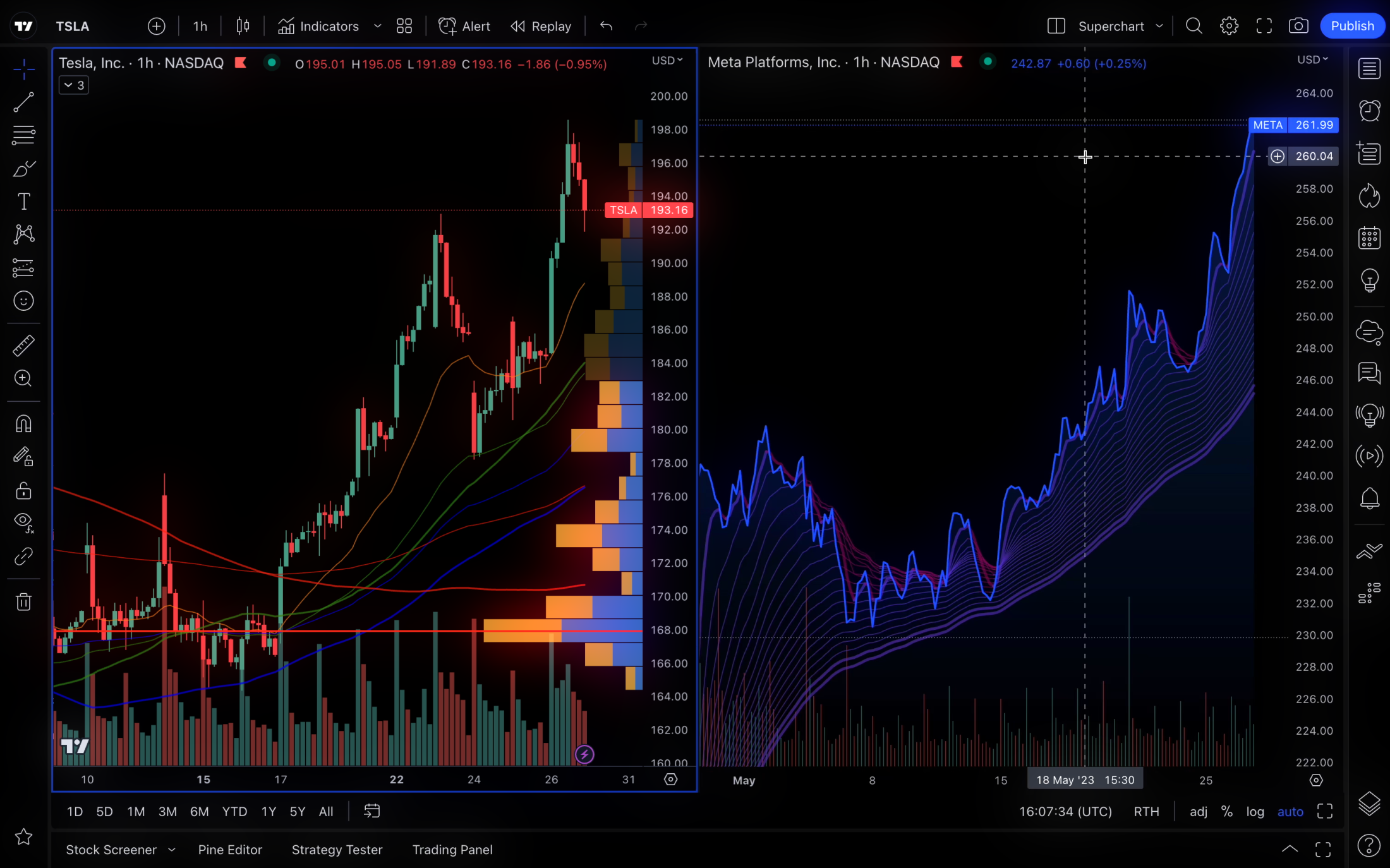
Effective market analysis requires professional-grade tools. TradingView offers best-in-class live charts, hundreds of pre-built indicators, and advanced drawing tools for stocks, crypto, and forex. It's the essential platform our analysts rely on to identify trends and track market shifts.