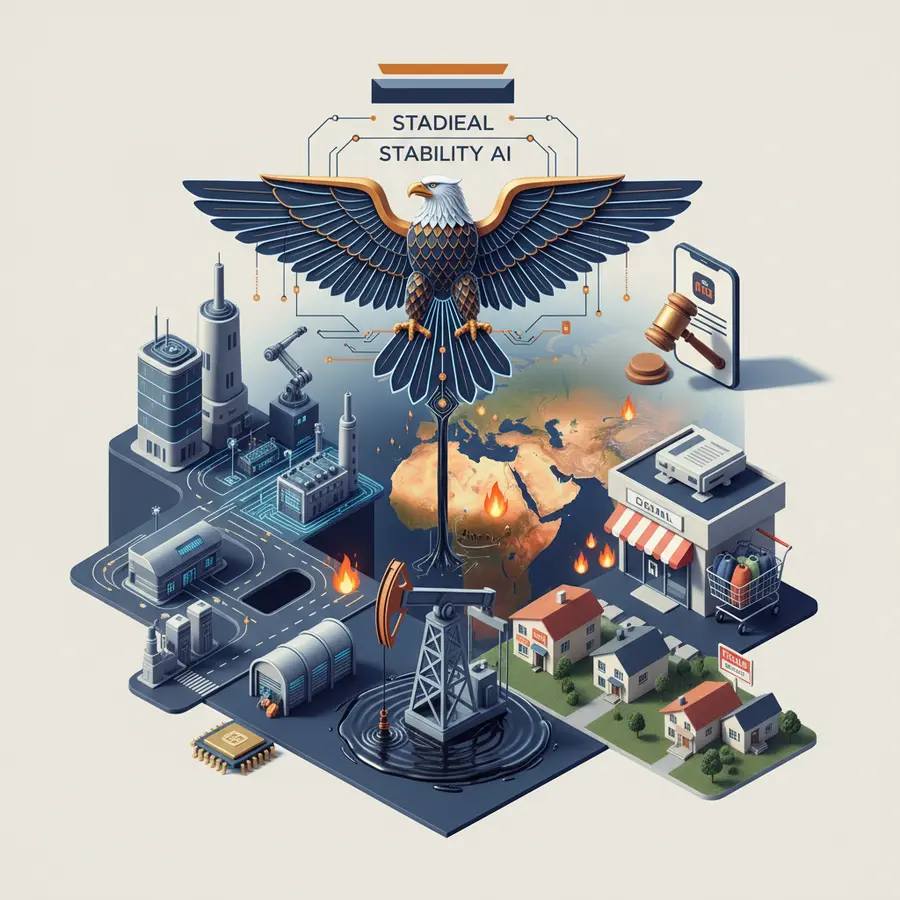
Fed Signals Stability Amid Geopolitical Tensions, Energy Market Volatility, and AI's 'Bits to Atoms' Shift
Pre-Market Daily Brief: Fed Signals Stability as Geopolitical Tensions Weigh on Energy Markets
Good morning, active traders. As we head into Wednesday's session, global markets are poised for a mixed open, with U.S. equity futures pointing slightly higher after the Federal Reserve's March meeting delivered few surprises but underscored persistent inflation risks tied to surging oil prices. The broader sentiment remains cautiously optimistic—S&P 500 futures are up 0.3%, Nasdaq futures gaining 0.4% on AI-driven tech resilience, while energy and commodities face headwinds from escalating Middle East disruptions. European indices like the FTSE 100 and DAX are flat to down 0.2%, weighed by similar energy concerns, and Asian markets closed mixed, with the Nikkei up 0.5% on yen weakness but Hang Seng off 0.3% amid China property jitters.
The standout story from yesterday's headlines is the Fed's decision to hold interest rates steady at 5.25-5.50%, as widely anticipated, but Chair Jerome Powell's remarks injected nuance into the outlook. In a press conference following the Federal Open Market Committee (FOMC) meeting, Powell highlighted "sticky" inflation metrics, with core PCE at 2.8% year-over-year, above the 2% target, exacerbated by oil prices spiking above $90 per barrel amid the ongoing Iran conflict. This has pushed headline inflation expectations higher, with economists now pricing in a potential 25-basis-point cut delayed until June rather than May. Powell also hinted at his potential to remain on the FOMC beyond his chair term ending in 2026, signaling continuity that could reassure markets amid election-year uncertainties. For investors, this means near-term rate hike risks are low (market-implied probability under 10% for the next meeting), supporting a soft landing narrative. However, any further oil escalation could force the Fed's hand, pressuring rate-sensitive sectors like real estate and consumer discretionary. Watch for bond yields: 10-year Treasuries are steady at 4.35%, but a break above 4.5% could trigger volatility in growth stocks.
Geopolitics is stealing the spotlight in energy markets, where President Trump's administration announced a 60-day waiver of the century-old Jones Act to mitigate surging oil and gas prices. The Jones Act requires goods shipped between U.S. ports to use American-built, owned, and crewed vessels, which has long constrained domestic supply chains and kept costs elevated—especially for refined products from Gulf Coast refineries. With Iran-war disruptions halting 5-10% of global oil flows through the Strait of Hormuz (per recent EIA estimates), gasoline futures have jumped 8% this week to near $3.50/gallon nationally. The waiver allows foreign-flagged ships to transport U.S. crude and products, potentially easing shortages in the Northeast and West Coast by 20-30% in the short term, according to analysts at Goldman Sachs. This move could cap Brent crude's rally below $100, providing a tailwind for consumer stocks and airlines battered by fuel costs—think Delta (DAL) up 2% pre-market. But it's a double-edged sword: prolonged waivers might undermine U.S. shipbuilding (a $30B industry) and invite retaliation in trade talks. Energy traders should eye WTI crude, hovering at $86, for a potential relief rally if the waiver implementation details drop today; volatility could spike if OPEC+ responds with output cuts.
Shifting to tech and innovation, AI continues to reshape investment priorities, with a notable pivot from "bits to atoms" gaining traction. Investors are increasingly favoring hard assets like data centers, manufacturing infrastructure, and logistics over pure software plays, as AI's compute demands commoditize digital tools. Uber co-founder Travis Kalanick highlighted this in recent comments, noting AI's push into physical worlds could drive $1T+ in capex for semiconductors and energy infrastructure over the next five years. This bodes well for names like Nvidia (NVDA), up 1% in after-hours, and infrastructure giants such as Equinix (EQIX) or even utilities like NextEra (NEE). On the quant side, however, turbulence brews: Issam Bazzi, a senior leader at Point72's Cubist Systematic Strategies, is departing after three years amid months of performance losses. Cubist, managing $20B+ in assets, has underperformed peers like Renaissance Technologies by 5-7% YTD, per internal sources, amid choppy markets challenging algorithmic models. This could signal broader hedge fund caution, with quant inflows slowing to $50B this quarter (down from $100B last year, per HFR data). Active traders: Monitor CTAs and momentum funds for reduced risk appetite, potentially amplifying any equity pullbacks.
In real estate, a detente in the listing wars offers modest relief for the sector. Compass, the nation's largest brokerage with $6B in annual revenue, dropped its lawsuit against Zillow over the so-called "Zillow Ban"—a dispute that blocked MLS listings from appearing on Zillow's platform, costing the portal millions in traffic. The resolution, announced Wednesday, allows Compass agents to resume full Zillow integration, potentially boosting home search volumes by 15% in key markets like New York and California. With U.S. housing inventory at a 4-month supply (below the balanced 6-month level), this could support iBuying plays like Opendoor (OPEN), up 3% pre-market, but persistent high rates (30-year mortgages at 7.1%) keep affordability in check. Broader retail sentiment is buoyed by JCPenney's revival push, where brand CEO Michelle Wlazlo is touting "head-to-toe" affordable fashions—priced 20-30% below competitors—to lure back value shoppers. Amid softening consumer data (retail sales flat in February), this could help department stores like JCP outperform, with shares eyeing $10 resistance.
Wrapping up, regulatory ripples include a new Senate bill from Sen. Chris Murphy targeting "sweetheart deals" between retailers and suppliers, extending to apps like Uber Eats. If passed, it would cap slotting fees and rebates that inflate grocery prices by 10-15%, per USDA estimates, pressuring margins at Walmart (WMT) and DoorDash (DASH). Legal tech faces AI disruption too, with Chief Justice John Roberts warning of challenges for young lawyers as tools automate routine tasks—echoing Big Law's Palantir-inspired AI rollouts at firms like HSF Kramer, which could cut associate hours by 20% and boost efficiency stocks.
Overall market sentiment: Bullish tilt for tech and value retail, neutral on rates, bearish energy volatility. Key levels to watch: S&P 5,300 support, Nasdaq 18,000 resistance. Stay nimble—today's CPI preview and oil inventory data at 10:30 AM ET could swing sentiment. Trade smart.
This brief is for informational purposes only and not investment advice. Always conduct your own research.
Gain Your Edge: The Tools That Power Pro-Level Analysis
In the market, the right tools separate the professionals from the crowd. We've identified the game-changing platforms that deliver institutional-grade data, faster execution, and deeper insights. Elevate your strategy from guesswork to a high-performance system with the same resources used by top market analysts.
The Charting Platform We Use Every Day
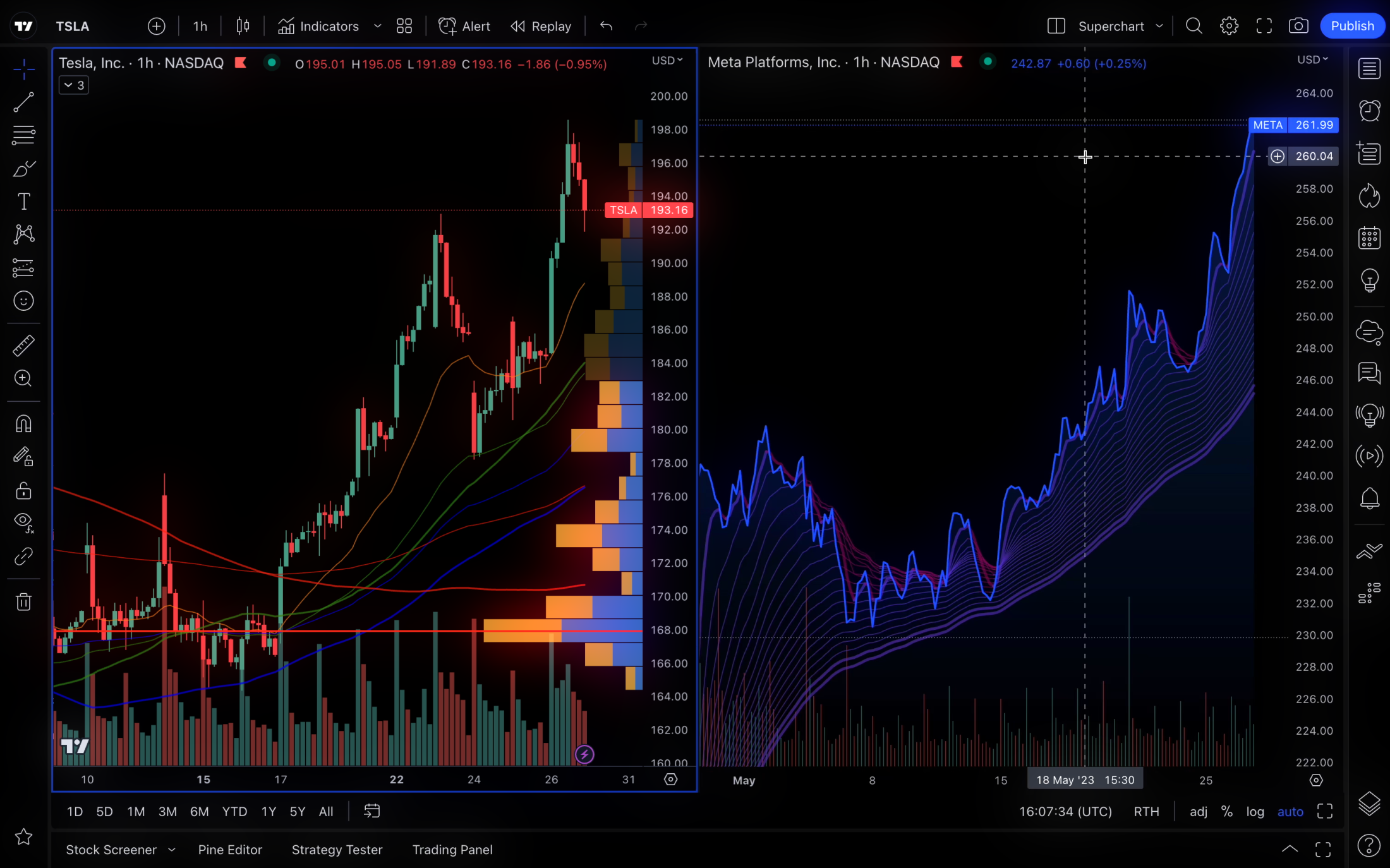
Effective market analysis requires professional-grade tools. TradingView offers best-in-class live charts, hundreds of pre-built indicators, and advanced drawing tools for stocks, crypto, and forex. It's the essential platform our analysts rely on to identify trends and track market shifts.