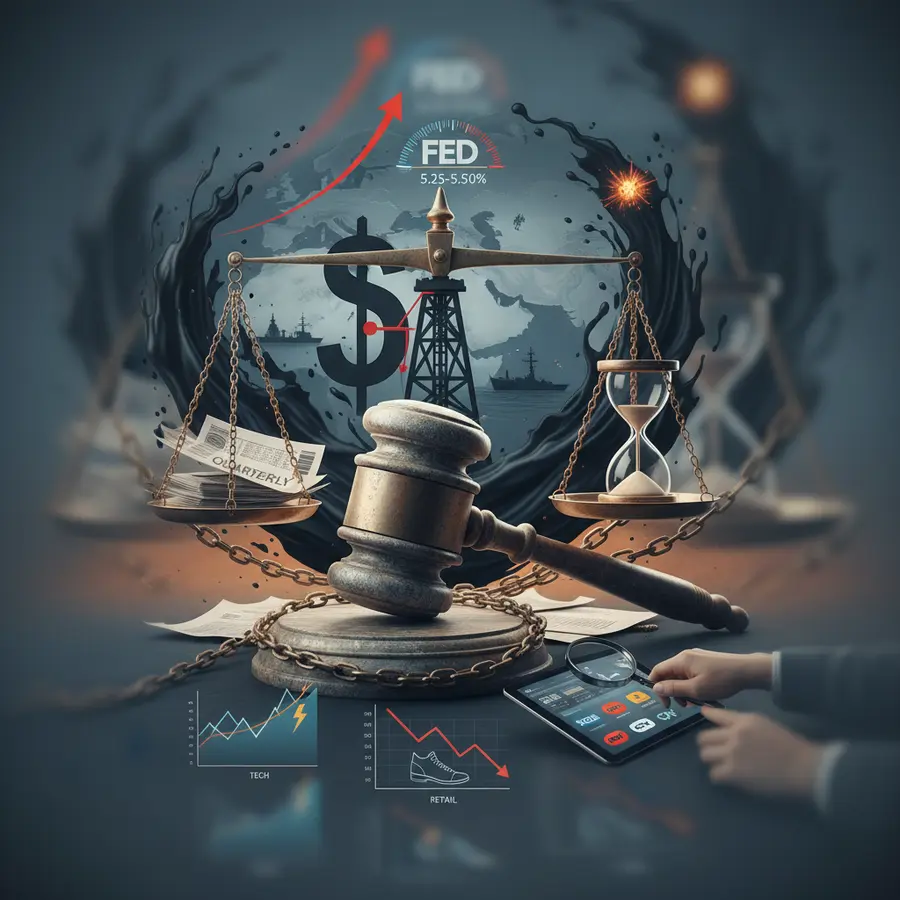
Fed Holds Rates Amid Oil Surge & Regulatory Scrutiny
Pre-Market Daily Brief: March 18, 2026 – Fed Holds Steady Amid Oil Surge and Economic Headwinds
Good morning, active traders. As we kick off the trading day, global markets are bracing for a pivotal Federal Reserve announcement while grappling with escalating oil prices and fresh regulatory scrutiny on corporate reporting. The overall sentiment leans cautious to bearish, with U.S. indices like the S&P 500 and Nasdaq futures pointing to a soft open after yesterday's choppy session. European markets are mixed, with the FTSE 100 edging higher on energy plays but the DAX under pressure from inflation fears. In Asia, the Nikkei closed down 0.8% amid yen strength and supply chain worries tied to Middle East tensions.
Federal Reserve Meeting
The big story dominating headlines—and likely to drive intraday volatility—is the Federal Open Market Committee's (FOMC) March meeting, where policymakers are widely expected to hold interest rates steady at the current 5.25-5.50% range. This decision comes against a backdrop of dismal jobs data and a brewing energy crisis sparked by unrest in Iran. According to the latest nonfarm payrolls report, U.S. job growth slowed to just 151,000 in February—well below the 200,000 forecast—pushing the unemployment rate to 4.1%. Wage growth also cooled to 0.2% monthly, but annual figures remain sticky at 4.1%, fueling concerns that inflation could reignite.
Oil Prices and Market Impact
Compounding this is the sharp spike in oil prices, now hovering near $90 per barrel for WTI crude, up over 5% in the past week. The surge stems from escalated geopolitical risks following Iran's recent military actions and threats against key oil infrastructure in the Strait of Hormuz, through which 20% of global oil flows. Market analysts from Bloomberg and Reuters note that any further disruptions could push Brent crude toward $100, exacerbating inflationary pressures and squeezing consumer spending. For investors, this spells opportunity in energy ETFs like XLE (up 2.2% pre-market) and select producers such as ExxonMobil (XOM) and Chevron (CVX), which could see tailwinds from higher margins. However, broader indices face headwinds: higher oil acts as a tax on transportation and manufacturing sectors, potentially weighing on industrials (XLI) and consumer discretionary (XLY).
Fed Chair Jerome Powell's Press Conference
Fed Chair Jerome Powell's post-meeting presser at 2:30 PM ET will be the real focal point. Traders are pricing in a 95% chance of no rate change via CME FedWatch Tool, but hawkish rhetoric on persistent inflation could trigger a sell-off in rate-sensitive tech and growth stocks. Bond yields are already climbing, with the 10-year Treasury at 4.35%, up 5 basis points overnight. Keep an eye on the dollar index (DXY), which strengthened 0.3% to 105.2, bolstering safe-haven flows into the USD.
SEC Regulatory Changes
Another key development with ripple effects across public markets: Reports suggest the SEC is mulling a dramatic overhaul by potentially eliminating mandatory quarterly earnings reports for public companies. Wall Street Journal sources indicate this push, led by incoming Chair Paul Atkins, aims to reduce regulatory burdens and align U.S. standards more closely with international norms, where semi-annual reporting is common. Pros like BlackRock's Larry Fink have praised the idea for curbing "short-termism" that pressures executives into myopic decisions, potentially fostering long-term innovation. However, critics—including pension fund managers and retail investor advocates—warn it could erode transparency, making it harder to spot red flags like earnings manipulation.
Sector-Specific Moves
From an investor's lens, this could be a game-changer for sectors like tech and biotech, where R&D cycles span quarters. Stocks with heavy institutional ownership, such as Apple (AAPL) and Tesla (TSLA), might benefit from less quarterly noise, allowing focus on fundamentals. But volatility could spike initially as markets adjust to thinner information flows—expect heightened short interest and options activity around earnings seasons. If approved, implementation might not hit until late 2026 or 2027, but even speculation is buoying small-cap indices like the Russell 2000 (up 0.5% pre-market) on deregulation hopes.
Geopolitical and Fintech Risks
Geopolitical undercurrents from prediction markets add a layer of uncertainty: Ongoing lawsuits against platforms like Kalshi (accused of illegal election betting in Arizona) and Polymarket (facing backlash over Iran-Israel wager controversies) highlight regulatory risks in fintech and crypto-adjacent spaces. While niche, this could pressure related tokens and ETFs if enforcement broadens.
Trading Watchlist
- Energy plays: XOM, CVX – Buy on dips if oil holds $88+.
- Financials: JPM, BAC – Sensitive to Fed dots plot; watch for yield curve steepening.
- Tech defensives: MSFT, GOOGL – Hedge against volatility.
- Key levels: S&P 500 support at 5,800, resistance 5,900; Nasdaq 18,200 pivotal.
Stay nimble—volatility indices (VIX) are creeping toward 20, signaling chop ahead. We'll update post-Fed with intraday implications. Trade smart.
This brief is for informational purposes only and not investment advice. Always conduct your own research.
Gain Your Edge: The Tools That Power Pro-Level Analysis
In the market, the right tools separate the professionals from the crowd. We've identified the game-changing platforms that deliver institutional-grade data, faster execution, and deeper insights. Elevate your strategy from guesswork to a high-performance system with the same resources used by top market analysts.
The Charting Platform We Use Every Day
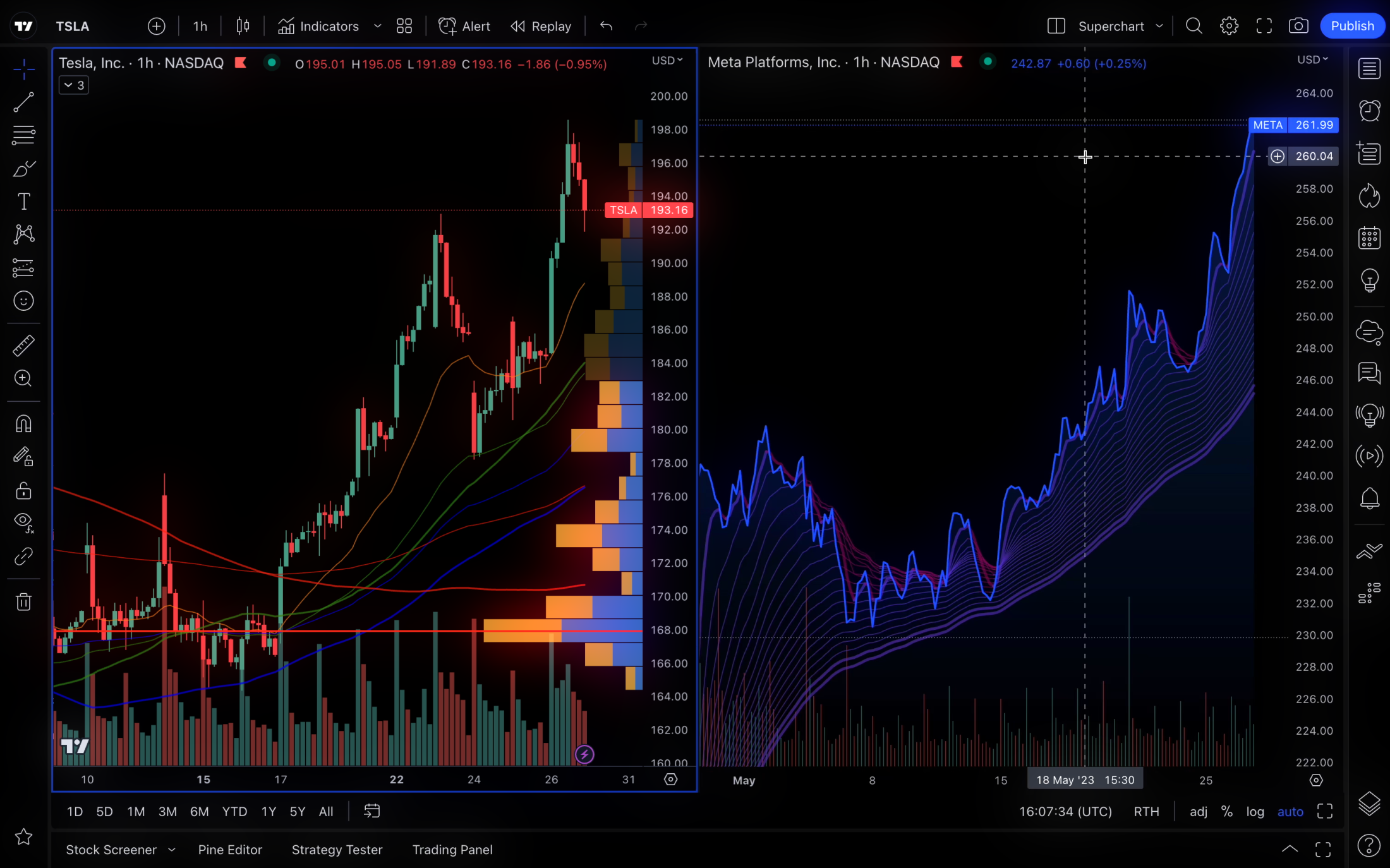
Effective market analysis requires professional-grade tools. TradingView offers best-in-class live charts, hundreds of pre-built indicators, and advanced drawing tools for stocks, crypto, and forex. It's the essential platform our analysts rely on to identify trends and track market shifts.