Bitcoin-Gold Ratio Hits Critical Support: A Rare Signal for BTC's Next Move
Market Insights
BTC/XAU: Rethinking Crypto–Gold Relativity
Comparing Bitcoin to gold has become a popular way to contextualize crypto’s value and volatility. The BTC/XAU ratio — how many troy ounces of gold equal one Bitcoin — offers a direct lens that blends monetary history with digital-age speculation. This article explains the ratio, why it matters, and how to use it in analysis.
The BTC/XAU metric is straightforward in concept but rich in insight. By expressing Bitcoin’s price in units of gold, you remove the intermediary (typically USD) and see a relative valuation that highlights long-term store-of-value narratives.
Historically, investors have compared assets to gold to judge durability and inflation resistance. Bitcoin adds a new dimension: its fixed supply and digital scarcity. The ratio helps answer whether, at current prices, Bitcoin behaves more like gold, a growth asset, or something else entirely.
Calculation is simple: divide Bitcoin’s market price (USD/BTC) by gold’s spot price (USD/XAU). In code you might write BTC/XAU. The resulting number tells you how many troy ounces of gold are equivalent to one Bitcoin at current market rates.
Interpreting that number requires context: macro conditions, fiat weakness, and demand drivers for each asset will shift the ratio. Sudden spikes can signal rotation into crypto or a breakdown in gold demand, while steady trends may indicate a structural re-pricing.
Deconstructing the Technique
Start by sourcing reliable price feeds for both BTC and XAU. Use real-time or daily-averaged data to avoid noise. Express both prices in the same fiat currency, typically USD, before dividing: (USD per BTC) / (USD per XAU) = BTC/XAU.
Next, apply smoothing or rolling averages to the ratio if you want to filter intraday volatility. Look at percent changes over monthly or quarterly windows rather than raw levels to detect meaningful trends.
The BTC/XAU ratio is a comparative tool: it doesn’t prove intrinsic value but reveals how markets price scarcity, trust, and monetary function across two very different assets.
Combine the ratio with other indicators — inflation expectations, real yields, and on-chain flows — to build a fuller view. For example, rising BTC/XAU alongside falling real yields might strengthen the narrative that Bitcoin is assuming gold-like characteristics.
Inspire Action
If you plan to incorporate BTC/XAU into your analysis, start small: record the ratio daily and chart its history against macro variables you care about. Patterns will emerge faster when you look at relative changes rather than isolated prices.
Use the ratio as a signal, not a rule. It can guide allocation decisions, highlight regime shifts, and spark questions about market sentiment that merit further research.
A Simple Starter Routine
Follow these steps to begin tracking BTC/XAU and turn observations into disciplined insights.
- Collect daily BTC and XAU prices from trusted sources and compute the ratio.
- Plot the ratio with rolling averages and compare against macro indicators.
- Set alerts for deviations from long-term bands and reassess allocations accordingly.
Gain Your Edge: The Tools That Power Pro-Level Analysis
In the market, the right tools separate the professionals from the crowd. We've identified the game-changing platforms that deliver institutional-grade data, faster execution, and deeper insights. Elevate your strategy from guesswork to a high-performance system with the same resources used by top market analysts.
The Charting Platform We Use Every Day
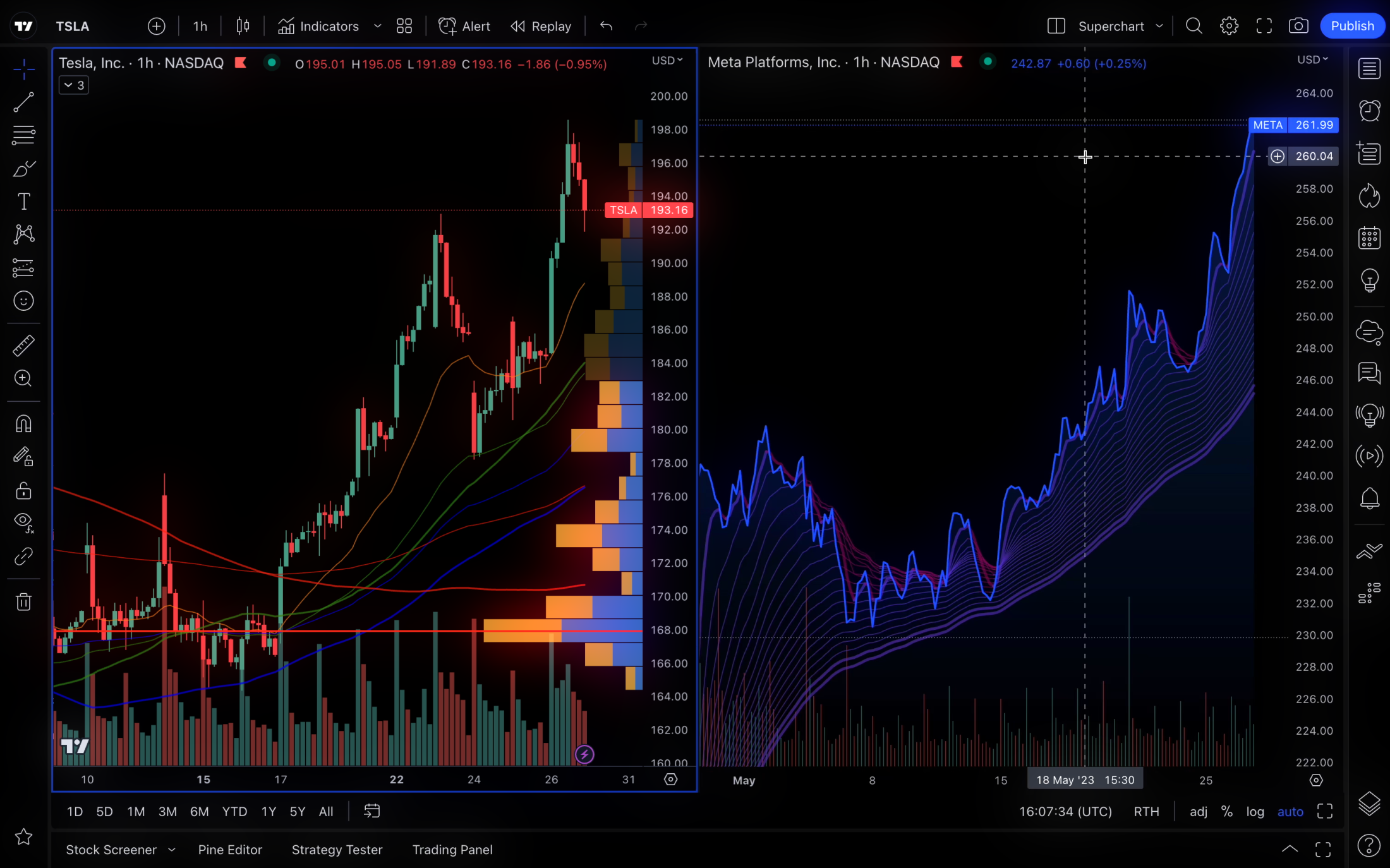
Effective market analysis requires professional-grade tools. TradingView offers best-in-class live charts, hundreds of pre-built indicators, and advanced drawing tools for stocks, crypto, and forex. It's the essential platform our analysts rely on to identify trends and track market shifts.